
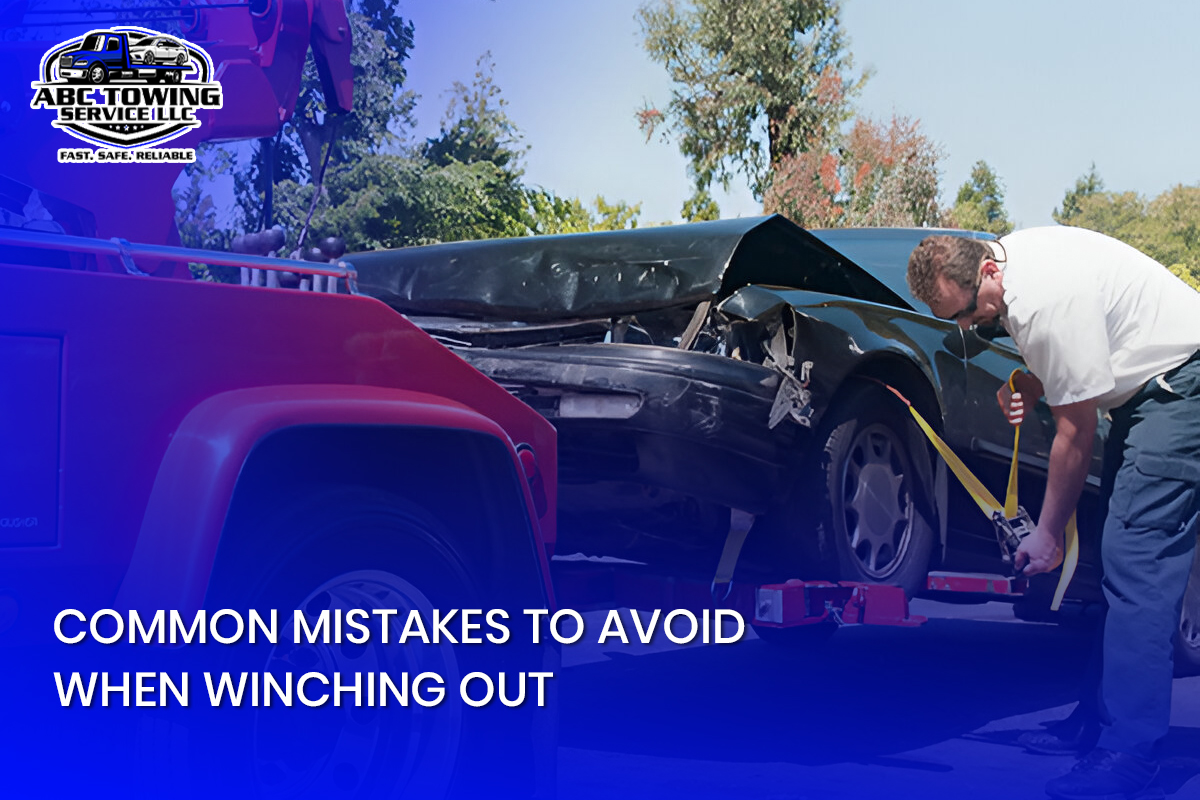
When winching out a stuck vehicle, knowing what mistakes to avoid is crucial. Incorrect techniques can cause damage to your vehicle, winch, or the surrounding environment. Understanding the right methods and being cautious ensures a safe recovery process. Here are some common mistakes to avoid when winching out a vehicle.
1. Not Inspecting the Winch Before Use
Before using the winch, thoroughly inspect it for any signs of wear or damage. Check the cables, hooks, and connections. A broken winch cable or faulty connection could lead to dangerous situations. Always ensure your equipment is in good working condition before starting.
2. Failing to Use Proper Anchor Points
Using improper anchor points for your winch is a serious mistake. Anchor points should be solid and strong, like a tree or vehicle frame. Using a loose or weak point could cause the winch to fail. Always ensure the anchor can support the load and stay secure during the recovery.
3. Not Using the Right Winch Capacity
Ensure your winch is rated for the weight of the vehicle being recovered. A winch with a capacity that is too low will not pull the vehicle properly. It could overheat and break under pressure. Always check the winch’s capacity to make sure it matches the vehicle’s weight.
4. Ignoring the Safety of Bystanders
When winching out a vehicle, safety is your top priority. Always keep bystanders at a safe distance. Winch cables can snap under stress, causing dangerous recoil. Use a winch safety blanket or strap to dampen any recoil. This simple step can save lives in case of failure.
5. Not Using a Snatch Block When Needed
A snatch block can double the pulling power of your winch. Without it, you may put unnecessary strain on your winch. Using a snatch block allows you to pull from different angles, reducing strain. It can help protect your winch and recover a stuck vehicle more efficiently.
6. Winching with a Dry or Rusted Cable
Winching with a dry or rusted cable leads to significant wear and tear. Regularly maintain the winch cable, keeping it lubricated and free of rust. A well-maintained cable lasts longer and works more efficiently. You should also store it properly to avoid exposure to harsh weather conditions.
7. Not Using the Right Technique for Slippery Surfaces
When winching out a vehicle from slippery surfaces, adjust your technique accordingly. You should not apply full force right away. Gradually increase the tension to avoid spinning the tires. In some cases, rocking the vehicle slightly before winching can help.
8. Relying on the Winch Alone for Recovery
Sometimes, relying solely on the winch is a mistake. In some cases, you might need to use additional tools like traction mats or a shovel. This ensures that the vehicle has enough traction to get free. Winching combined with proper techniques gives you the best chance for success.
9. Not Paying Attention to the Winch Line Angle
When using a winch, the angle of the winch line is crucial. If the line is at too sharp an angle, it can cause excessive wear on the cable. Always try to keep the winch line as straight as possible. This ensures the cable works more efficiently and lasts longer.
10. Overloading the Winch
Overloading the winch can lead to mechanical failure and damage. Never exceed the winch’s maximum capacity. If necessary, use a winch with a higher load rating for larger vehicles. By staying within the winch’s limits, you prevent serious damage and ensure it works correctly.
11. Not Understanding the Terrain
Always evaluate the terrain around the stuck vehicle. Mud, sand, or snow can affect how your winch performs. If you’re in soft soil, use a winch anchor or a vehicle’s weight to help. Understanding the terrain ensures that you adjust your winching technique accordingly.
12. Failing to Keep the Winch Cable Clean
A dirty winch cable can cause it to bend, twist, or wear out prematurely. Always clean the winch cable after each use. Mud, sand, and other debris can damage the cable. A clean cable will function properly and last longer, making your winching jobs easier.
13. Rushing the Winching Process
Patience is essential when winching out a vehicle. Rushing through the process can lead to mistakes or accidents. Always take your time to ensure everything is set up correctly. A careful, measured approach is safer and more effective for getting your vehicle unstuck.
14. Not Using Proper Recovery Gear
Without the right recovery gear, winching out a vehicle can become difficult or dangerous. Always have the necessary tools, such as gloves, recovery straps, and shackles. These tools help with securing the vehicle, controlling the winch, and ensuring safety.
15. Not Having a Spotter
A spotter is a valuable asset when winching out a vehicle. The spotter can guide you, watch for potential hazards, and give directions. They help monitor the situation to ensure that everything goes smoothly. Never attempt to winch out a vehicle without having a spotter.
Conclusion
Avoiding common mistakes when winching out a vehicle is crucial for a successful recovery. By inspecting your equipment and using the right techniques while prioritizing safety, you can minimize the risk of accidents. Always ensure that your winch is the right size for the job, and use proper anchor points. With careful preparation and attention to detail, you can recover your vehicle safely and efficiently.
If you need help with winching, you can count on us for expert assistance. Count on us for dependable help any time you need.